
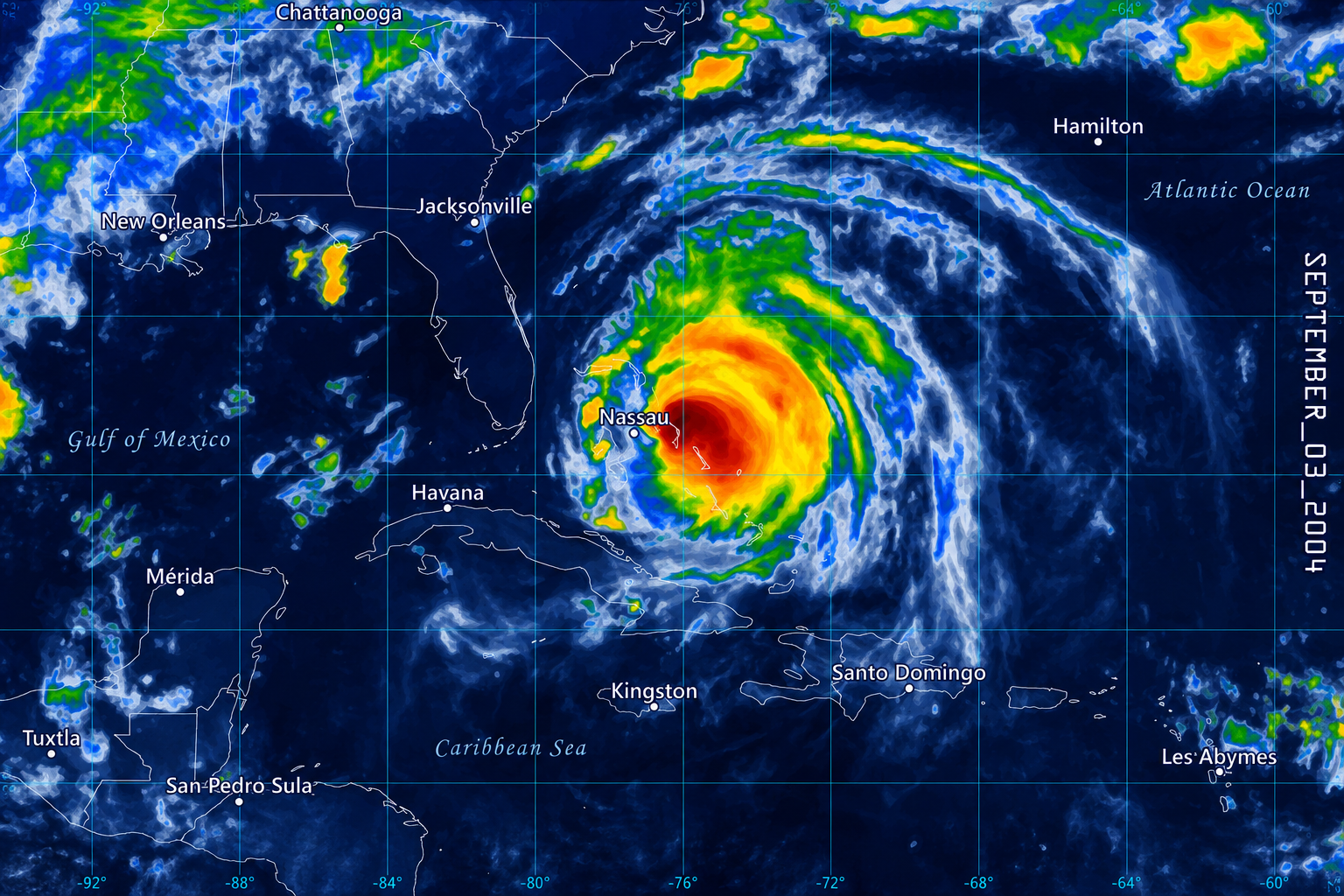
PTSD from disaster-response deployments — a stressor the VA can't ignore.
Katrina, Harvey, Maria, Helene, wildfire response, mass-casualty support — service members exposed to death, destruction, and human suffering during humanitarian missions carry the same PTSD risk as combat. Brightview writes the letter that says so.
One clinic. One psychiatrist. One standard.
PTSD After Hurricane and Disaster-Relief Operations
Veterans, National Guard members, reservists, and active-duty service members can develop PTSD after hurricane and disaster-relief operations. Search and rescue, body recovery, evacuations, exposure to death or serious injury, devastated communities, and repeated danger can be psychologically traumatic even when the mission was humanitarian rather than combat-related.
When the evidence supports a connection between these traumatic experiences and a veteran's current PTSD, a psychiatric nexus opinion may help explain that relationship in a VA disability claim.
How Hurricane Disaster Relief Can Become a PTSD Stressor
The hurricane itself does not automatically establish a PTSD stressor. The important issue is what the service member personally experienced during the mission.
Potentially traumatic exposures may include:
- Rescuing civilians from flooded homes, vehicles, rooftops, or unstable structures
- Witnessing death or severe physical injuries
- Recovering or transporting human remains
- Treating seriously injured adults or children
- Working in collapsed or severely damaged buildings
- Exposure to contaminated floodwater, hazardous debris, fires, or unstable infrastructure
- Fear of drowning, structural collapse, electrocution, or other serious injury
- Repeated exposure to devastated families and communities
- Being unable to rescue or save civilians despite intervention
- Performing prolonged disaster operations with severe sleep deprivation and operational stress
Depending on the circumstances, these experiences may be relevant when evaluating whether a veteran's reported trauma satisfies the diagnostic criteria for PTSD. The same question comes up with PTSD after motor vehicle accidents and other non-combat PTSD claims.
Hurricanes That Required U.S. Military Disaster Response
Many major hurricanes have required U.S. military humanitarian or disaster-relief support. This list is not exhaustive. Veterans who served during these operations may have qualifying traumatic exposures.
Hurricane Hugo (1989)
South Carolina, Puerto Rico, U.S. Virgin Islands
Military and National Guard personnel assisted with relief, security, infrastructure support, and recovery operations after catastrophic damage.
Hurricane Andrew (1992)
South Florida
A major military response, including Joint Task Force Andrew and active-duty Army support. Service members assisted with logistics, supply distribution, security, rebuilding support, and relief operations in severely damaged communities.
Hurricane Mitch (1998)
Central America
U.S. military personnel supported humanitarian assistance, helicopter missions, rescue support, and regional disaster relief after catastrophic loss of life and destruction.
Hurricane Katrina (2005)
Louisiana, Mississippi, and surrounding areas
One of the most significant domestic disaster-response missions in modern U.S. history. Military personnel assisted with rescue, evacuation, food and water distribution, medical support, logistics, and security.
Hurricane Harvey (2017)
Texas
National Guard and other military forces assisted with high-water rescues, evacuations, logistics, and supply distribution during catastrophic flooding.
Hurricane Maria (2017)
Puerto Rico and the U.S. Virgin Islands
Military personnel supported food and water delivery, logistics, medical assistance, airlift, infrastructure support, and disaster-response coordination.
Hurricane Ian (2022)
Florida
Major destruction required military support for rescue, medical evacuation, aviation support, road clearing, and supply distribution.
Hurricane Helene (2024)
Southeastern United States, including isolated mountain communities
Military personnel supported aviation missions, logistics, search and rescue, food and water delivery, engineering support, and emergency response operations.
Can PTSD Develop From a Humanitarian Mission?
Yes. A mission does not have to involve enemy combat to expose a service member to psychological trauma.
Veterans sometimes minimize disaster-response experiences because their role was to help civilians rather than fight an enemy. However, rescuing injured people, recovering bodies, witnessing death, encountering destroyed communities, or repeatedly working in life-threatening conditions can still have lasting psychiatric effects.
The relevant clinical question is the nature of the veteran's traumatic exposure — not whether the mission was labeled humanitarian or combat-related.
Why other PTSD from hurricane and disaster response letters get denied
The letters raters throw out
- The stressor is dismissed as 'not combat' by the prior examiner.
- No documentation of the specific horrors witnessed — remains, mass casualties, destroyed communities.
- Fear-of-life or moral-injury framing missing from the Criterion A analysis.
How Brightview wins them
What Dr. Allen puts in every PTSD from hurricane and disaster response letter
A comprehensive evaluation may address:
- The veteran's psychiatric diagnosis
- The specific disaster-response mission
- The nature of the reported traumatic exposures
- Whether the reported trauma is clinically consistent with PTSD
- Symptom onset and progression
- Current occupational and social impairment
- Relevant service and medical records
- Prior C&P examinations or VA decisions
- Alternative explanations for the psychiatric condition
- Whether the evidence supports a medical nexus to military service
Dr. Jessica Allen provides an individualized psychiatric assessment and medical opinion based on the veteran's specific history and available evidence.
Don't count yourself out
You may still qualify for PTSD from hurricane and disaster response — even if you've been told you don't.
Half the veterans we help were told they had no case. They did. They just didn't have the right medical opinion in the file yet.
- You never fired a weapon or served in a combat theater.
- The deployment was CONUS — domestic disaster response absolutely qualifies.
- You were 'only' in a support role — logistics, medical, mortuary affairs, engineering.