
Nexus Letters all 50 States!

Brightview Veteran Independent Medical Examinations

(919) 849-8617

  • Home
  • About Us
  • Learn More
  • PTSD and MST
  • Sleep Apnea Nexus Letter
  • Headache Nexus
  • GERD Nexus Letters
  • Secondary Conditions
  • Tinnitus and Insomnia
  • Cancer and Mental Health
  • Hypertension Nexus Letter
  • Traumatic Brain Injury
  • TDIU Nexus Letters
  • Pain and Mental Health
  • Depression Nexus Letters
  • Erectile Dysfunction
  • Diabetes Nexus Letter
  • TMJ Nexus Letters
  • Fibromyalgia Nexus Letter
  • Denied VA Claims
  • Contact
  • More
    • Home
    • About Us
    • Learn More
    • PTSD and MST
    • Sleep Apnea Nexus Letter
    • Headache Nexus
    • GERD Nexus Letters
    • Secondary Conditions
    • Tinnitus and Insomnia
    • Cancer and Mental Health
    • Hypertension Nexus Letter
    • Traumatic Brain Injury
    • TDIU Nexus Letters
    • Pain and Mental Health
    • Depression Nexus Letters
    • Erectile Dysfunction
    • Diabetes Nexus Letter
    • TMJ Nexus Letters
    • Fibromyalgia Nexus Letter
    • Denied VA Claims
    • Contact

(919) 849-8617

Brightview Veteran Independent Medical Examinations
  • Home
  • About Us
  • Learn More
  • PTSD and MST
  • Sleep Apnea Nexus Letter
  • Headache Nexus
  • GERD Nexus Letters
  • Secondary Conditions
  • Tinnitus and Insomnia
  • Cancer and Mental Health
  • Hypertension Nexus Letter
  • Traumatic Brain Injury
  • TDIU Nexus Letters
  • Pain and Mental Health
  • Depression Nexus Letters
  • Erectile Dysfunction
  • Diabetes Nexus Letter
  • TMJ Nexus Letters
  • Fibromyalgia Nexus Letter
  • Denied VA Claims
  • Contact

Nexus Letters for Veterans

VA Depression and Anxiety Secondary to Skin Conditions

Veterans who already have a service-connected skin condition may be eligible to pursue VA disability benefits for depression, anxiety, or another mental health condition as secondary to that skin condition. A strong claim typically requires medical evidence showing that the skin condition caused, contributed to, or aggravated the veteran’s mental health symptoms.

Schedule a Free Phone Consultation with Dr. Allen

Nexus Letters for Depression Due to Skin COnditions

Can You Claim Depression or Anxiety Secondary to a Skin Condition?

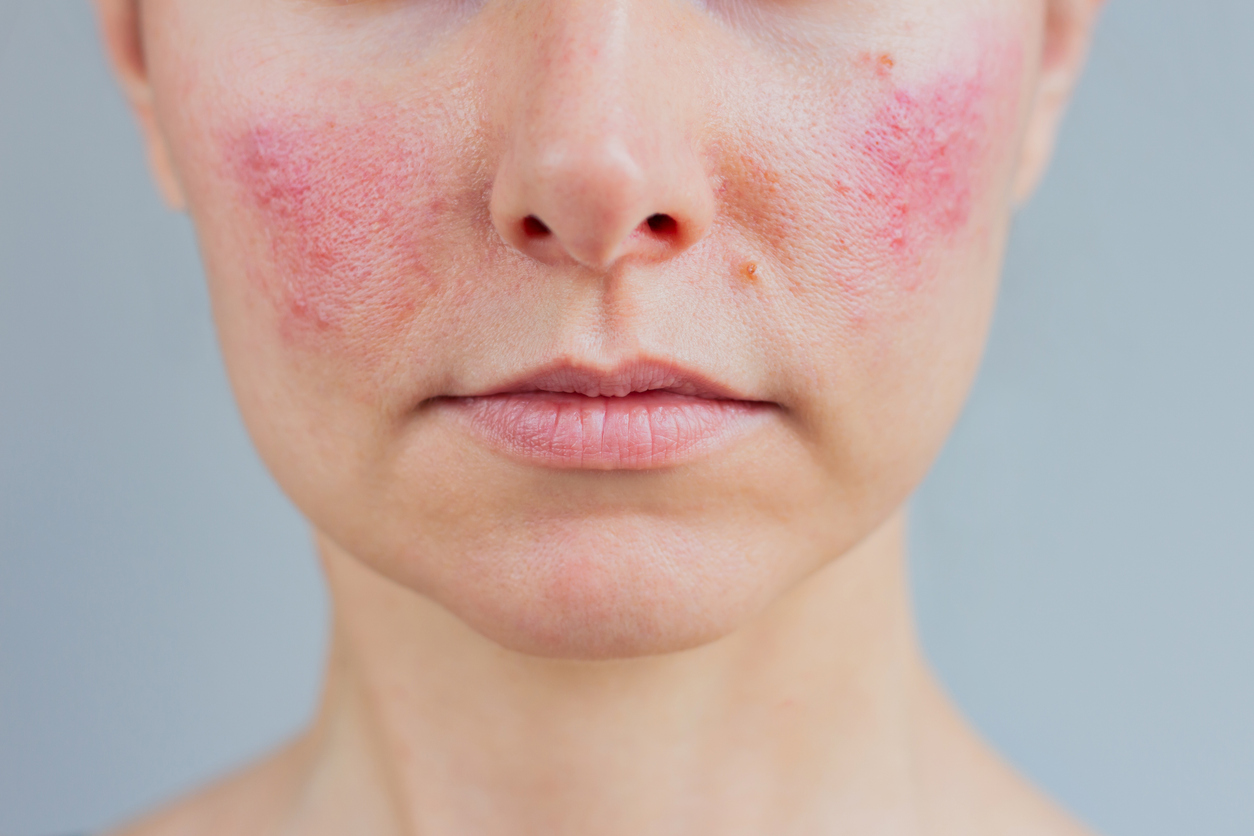
Yes. Skin conditions can affect far more than the surface of the skin. For many veterans, chronic skin disease causes embarrassment, pain, itching, burning, drainage, odor, scarring, sleep disruption, social withdrawal, relationship strain, and reduced confidence in public or intimate settings. Over time, these daily burdens can contribute to depression, anxiety, irritability, low self-esteem, avoidance of social situations, and significant impairment in quality of life. This connection is well recognized in dermatology: dermatologists often refer patients to psychiatrists, psychologists, or other mental health professionals when the emotional toll of a skin condition becomes clinically significant. 


The field of psychodermatology exists to address these problems. Research has shown that at least one-third of dermatology patients may have a comorbid mood disorder, underscoring that depression and anxiety are common and clinically meaningful consequences of chronic skin disease. 


When these effects lead to persistent emotional suffering, a secondary mental health nexus letter may be appropriate.


Examples may include:

  • A veteran with hidradenitis suppurativa who avoids social contact because of painful lesions, drainage, odor, and embarrassment.
  • A veteran with pseudofolliculitis barbae who experiences anxiety and self-consciousness due to visible bumps, scarring, and shaving-related flare-ups.
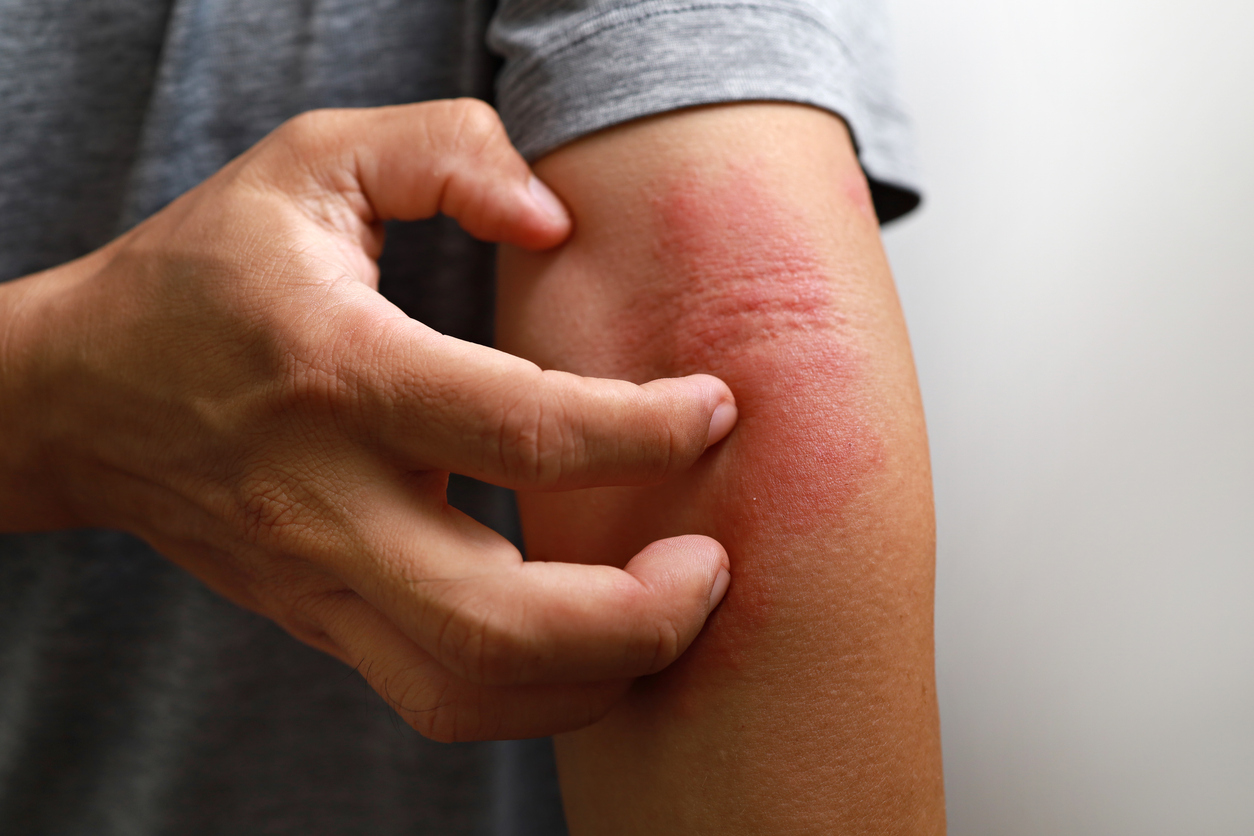
  • A veteran with eczema, psoriasis, or chronic rashes who develops depression because of constant itching, poor sleep, visible plaques, and frustration with recurrent symptoms.
  • A veteran with burn scars, acne scarring, or disfigurement who struggles with low self-esteem, avoidance of photographs, intimacy issues, or social withdrawal.
  • A veteran with recurrent herpes outbreaks who experiences anxiety, shame, relationship strain, and fear of future flare-ups.


The key issue is whether the evidence shows that the veteran’s mental health condition is at least as likely as not caused or worsened by the service-connected skin condition.

What Is Secondary Service Connection?

Secondary service connection occurs when a veteran develops a new disability because of an already service-connected condition, or when an already existing condition is made worse by a service-connected condition.


For example, if a veteran is already service-connected for a chronic skin condition and later develops depression or anxiety because of the pain, embarrassment, sleep disruption, social isolation, or functional limitations caused by that skin condition, the veteran may be able to file a claim for the mental health condition as secondary to the skin condition.


Secondary service connection may involve either causation or aggravation.


  • Causation means the service-connected condition directly caused the secondary condition to develop.
  • Aggravation means the service-connected condition made the secondary condition worse beyond its natural progression.


For VA purposes, a well-supported secondary claim usually needs three things:

  1. A current diagnosis of a mental health condition.
  2. An already service-connected skin condition.
  3. A medical nexus explaining how the service-connected skin condition caused or aggravated the mental health condition.

Schedule A Free Phone Consultation

Skin Conditions That May Lead to Depression or Anxiety

Hidradenitis Suppurativa and Mental Health Nexus Letters

 Hidradenitis suppurativa can be painful, recurrent, and deeply disruptive. Veterans with service-connected hidradenitis suppurativa may experience draining lesions, odor, scarring, flare-ups, pain with movement, sleep disruption, embarrassment, social withdrawal, and difficulty with intimacy. These symptoms can contribute to depression, anxiety, social phobia, and insomnia over time. A nexus letter can help explain the connection between the veteran’s service-connected hidradenitis suppurativa and the development or worsening of a secondary mental health condition. 

Schedule a Free Phone Consultation

Pseudofolliculitis Barbae and Depression Nexus Letters

 Pseudofolliculitis barbae can cause painful bumps, irritation, scarring, discoloration, itching, and visible skin changes, particularly on the face and neck. For veterans who are service-connected for pseudofolliculitis barbae, these symptoms may lead to embarrassment, reduced self-confidence, avoidance of social or professional interactions, anxiety, depression, or sleep problems related to discomfort and itching. A nexus letter can help show how the service-connected skin condition affects mental health and daily life, supporting a secondary claim for depression, anxiety, social phobia, or insomnia. 

Schedule a Free Phone Consultation

Herpes and Secondary Mental Health Claims

 Service-connected herpes can cause recurrent outbreaks, pain, burning, itching, fear of transmission, relationship stress, and significant emotional distress. Many veterans experience anxiety, depression, shame, social avoidance, or difficulty with intimacy because of the chronic and recurring nature of the condition. A nexus letter can help explain how the psychological impact of service-connected herpes has at least as likely as not caused or aggravated a secondary mental health condition such as depression, anxiety, social phobia, or insomnia. 

Schedule a Free Phone Consultation

Psoriasis and Secondary Mental Health Claims

 Psoriasis is a chronic inflammatory skin condition that can cause itching, pain, scaling, bleeding, sleep disruption, and visible plaques. Veterans with service-connected psoriasis may feel embarrassed during flare-ups, avoid public places, struggle with intimacy, or develop anxiety and depression due to the unpredictable nature of the condition. A nexus letter can help document how psoriasis affects daily functioning and explain how it may contribute to or worsen depression, anxiety, social phobia, or insomnia. 

Schedule a Free Phone Consultation

Scars, Burn Scars, and Disfigurement and Mental Health Claims

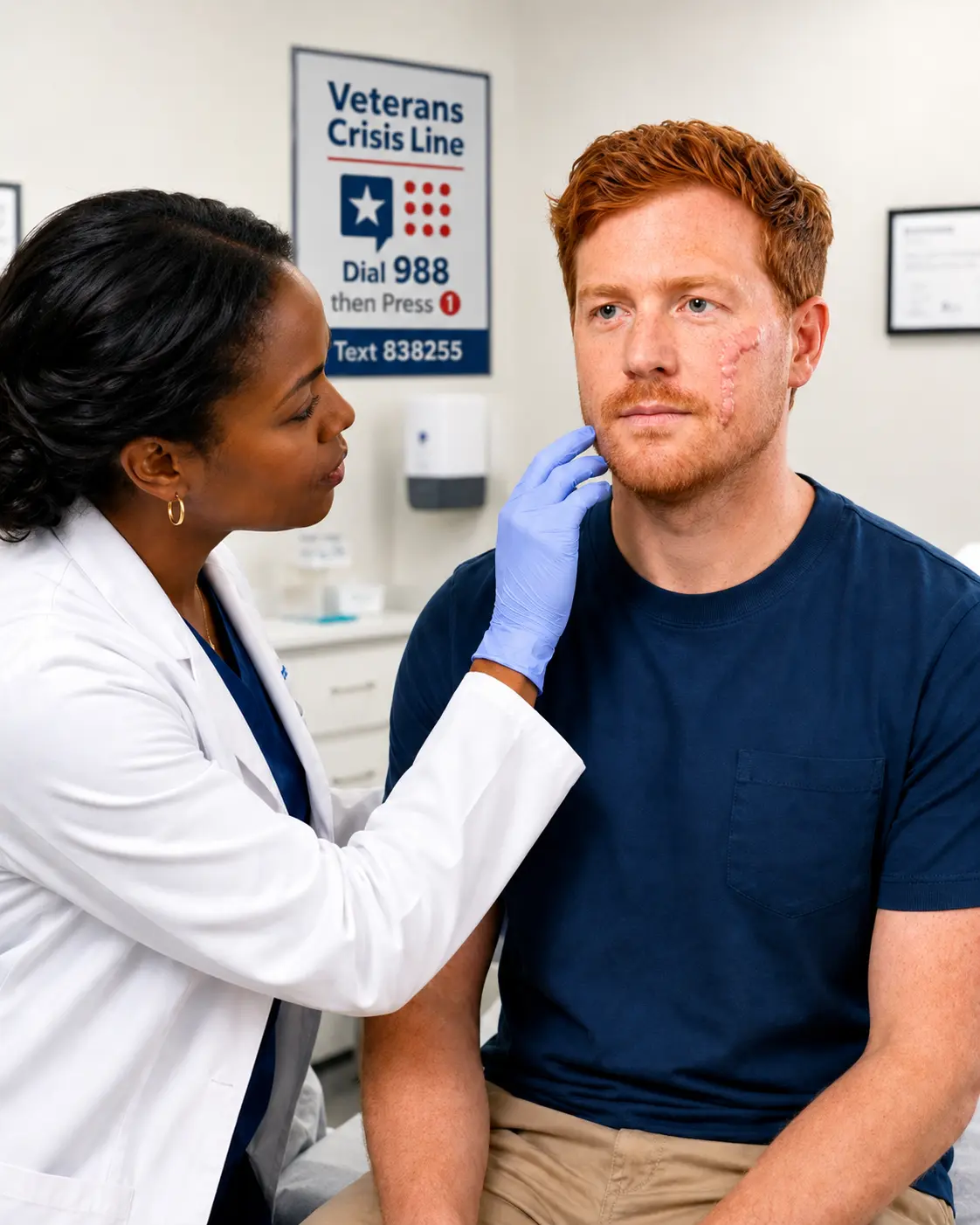
 Scars, burn scars, and disfigurement can have a lasting emotional impact, especially when they are painful, visible, or affect the face, neck, hands, or other exposed areas. Veterans may experience shame, unwanted attention, avoidance of social situations, low self-esteem, anxiety, depression, or difficulty with intimacy and relationships. A medical nexus letter can help connect these mental health symptoms to the veteran’s service-connected scars or disfigurement and support a claim for depression, anxiety, social phobia, or insomnia as a secondary condition. 

Schedule a Free Phone Consultation

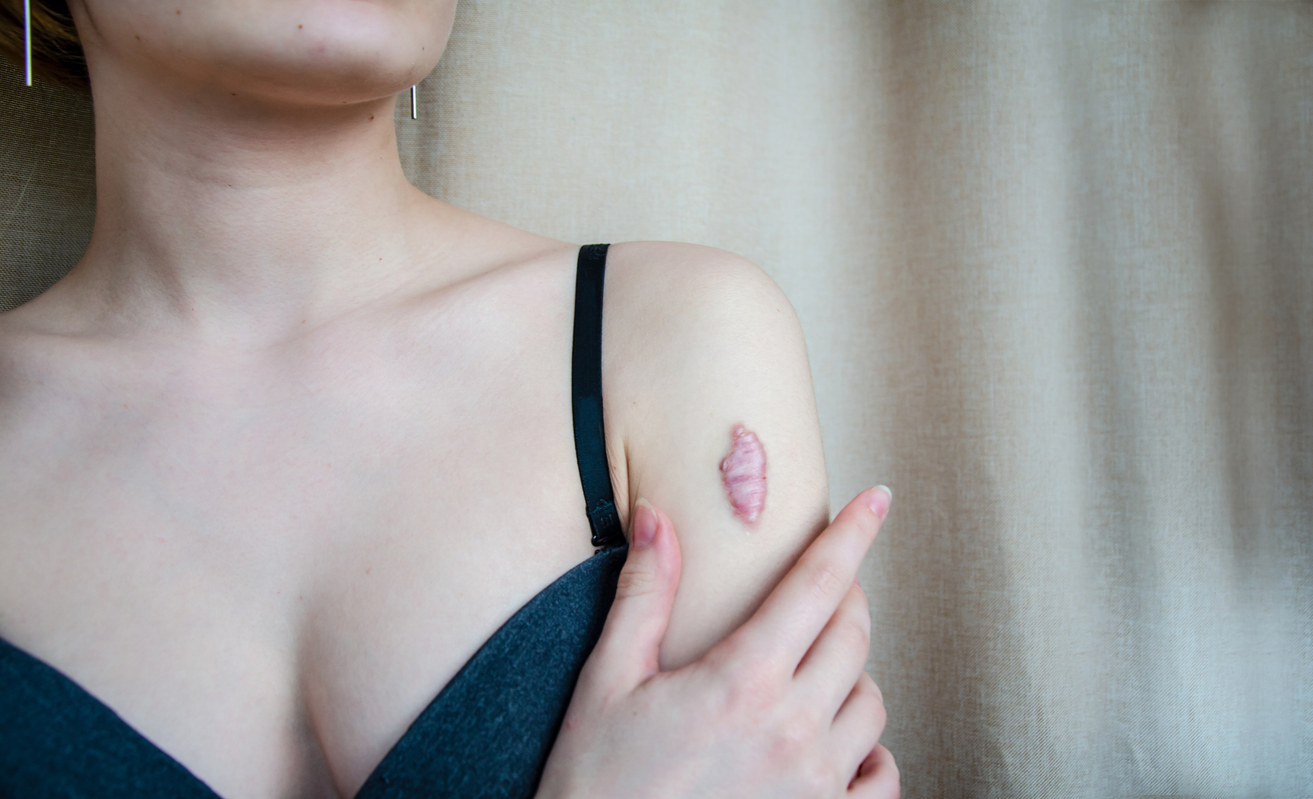
Keloids and Mental Health Claims

 Service-connected keloids can affect far more than appearance. Painful, raised, itchy, or highly visible keloids may cause embarrassment, reduced confidence, anxiety in public, social withdrawal, sleep problems, and emotional distress. Over time, these symptoms may contribute to depression, anxiety, social phobia, or insomnia. A nexus letter can help explain how the daily physical and emotional burden of service-connected keloids has at least as likely as not caused or aggravated a secondary mental health condition. 

Schedule a Time to Discuss Your Case with Dr. Allen

Nexus Letters for Secondary Conditions

Evidence Needed for a Strong Nexus Letter

A strong VA claim for depression or anxiety secondary to a skin condition usually includes medical, lay, and functional evidence. The goal is to show not only that the veteran has a diagnosed mental health condition, but also that the condition is connected to the service-connected skin disorder.


Helpful evidence may include:


  • A current mental health diagnosis, such as major depressive disorder, generalized anxiety disorder, adjustment disorder, insomnia disorder, or another clinically recognized condition.
  • VA or private treatment records documenting symptoms of depression, anxiety, sleep impairment, social withdrawal, low self-esteem, irritability, panic symptoms, or relationship strain.
  • Dermatology records showing the severity, frequency, location, visibility, pain, itching, drainage, scarring, or chronic nature of the skin condition.
  • Photographs showing visible skin symptoms, scars, lesions, plaques, rashes, or disfigurement, when appropriate.
  • Personal statements describing how the skin condition affects mood, sleep, confidence, social life, work, relationships, and daily functioning.
  • Buddy statements from spouses, family members, friends, coworkers, or supervisors describing observed changes in mood, social behavior, intimacy, work functioning, or emotional distress.
  • Records showing missed work, workplace accommodations, shaving profiles, uniform problems, limitations during flare-ups, or difficulty performing job duties.
  • A medical nexus opinion explaining how the service-connected skin condition caused or aggravated the veteran’s depression, anxiety, or other mental health condition.
  • The strongest claims usually provide a clear timeline. For example, the evidence may show that the veteran developed worsening depression or anxiety after years of chronic skin symptoms, visible scarring, painful flare-ups, sleep disruption, embarrassment, or social withdrawal.

How a Nexus Letter Can Help

A nexus letter is a medical opinion that explains the relationship between a veteran’s service-connected condition and the claimed secondary disability. In this type of claim, the nexus letter should explain how the veteran’s skin condition caused or aggravated depression, anxiety, or another mental health condition.


A strong nexus letter may address:

  • The veteran’s service-connected skin condition.
  • The veteran’s current mental health diagnosis.
  • The history and severity of skin symptoms.
  • The emotional impact of visible lesions, scarring, pain, itching, drainage, odor, or disfigurement.
  • The effect of the skin condition on sleep, social functioning, work, relationships, self-image, and quality of life.
  • Whether the mental health condition is at least as likely as not caused or aggravated by the service-connected skin condition.


A nexus letter can be especially helpful when the VA acknowledges the skin condition but does not fully consider the emotional, social, and functional consequences of living with that condition. The letter can help connect the medical evidence, personal history, and psychiatric symptoms into a clear explanation for VA review.


At Brightview Psychiatry Solutions, Dr. Allen provides nexus letters for veterans pursuing mental health claims, including claims for depression and anxiety secondary to service-connected physical conditions such as chronic skin disease.

Call Dr. Allen to Discuss Your Case Now

(919) 849-8617


Wake Forest, North Carolina 27587


Nexus Letter Doctor Providing Nexus letters in all 50 states


COPYRIGHT © 2020-2026 BRIGHTVIEW PSYCHIATRY SOLUTIONS - ALL RIGHTS RESERVED. 

Powered by

  • Home
  • About Us
  • Learn More
  • PTSD and MST
  • ptsd%26-mst
  • Sleep Apnea Nexus Letter
  • Headache Nexus
  • GERD Nexus Letters
  • Secondary Conditions
  • Tinnitus and Insomnia
  • Cancer and Mental Health
  • Hypertension Nexus Letter
  • Traumatic Brain Injury
  • TDIU Nexus Letters
  • Erectile Dysfunction
  • Diabetes Nexus Letter
  • Fibromyalgia Nexus Letter
  • PTSD Due to Car Accidents
  • Hurricane and Disasters
  • Depression and Skin
  • Contact
  • Crisis Resources
  • Privacy Policy

This website uses cookies.

We use cookies to analyze website traffic and optimize your website experience. By accepting our use of cookies, your data will be aggregated with all other user data.

DeclineAccept