
VA Claims · After the Decision
Why the VA Combined My Bruxism With My Mental Health Rating
A question that comes up constantly in veteran groups. The decision is usually read as a loss, and it usually isn't one.
August 24, 2026 · Medically reviewed by Jessica R. Allen, M.D. — licensed psychiatrist, former VA C&P examiner
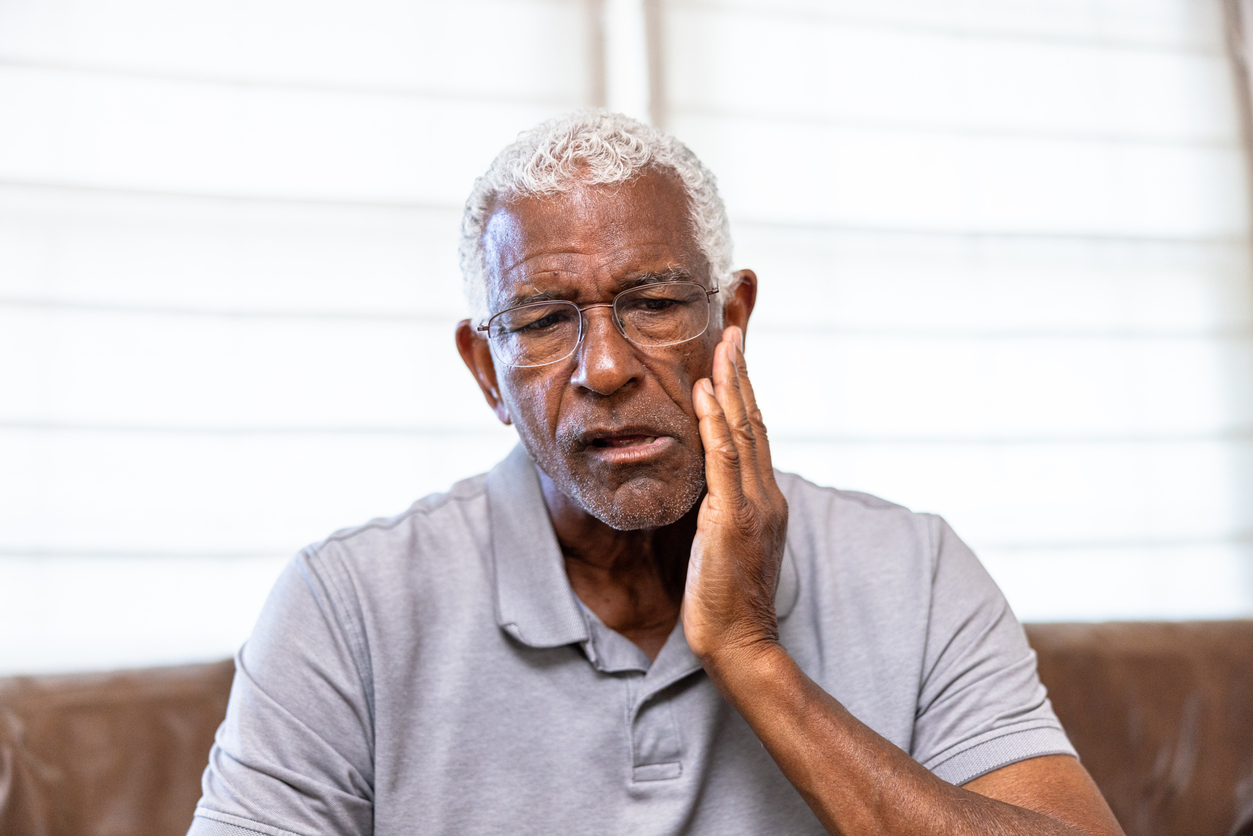
The question, paraphrased
I filed for bruxism secondary to my service-connected mental health condition. VA changed the wording of my existing condition to "Adjustment Disorder with Bruxism" and continued my rating at 70 percent.
Has anyone had the VA combine bruxism with their mental health condition like this? What did you do afterward: Higher-Level Review, Supplemental Claim, or something else?
The short answer: bruxism has no VA diagnostic code, so it cannot be rated on its own. The VA folded it into the psychiatric diagnosis because there was nowhere else to put it. The condition that can be rated is the joint damage the grinding caused, and that is what to claim next.
The instinct is to fight the wording. That is almost always the wrong target, and it misses what actually happened here.
Was my bruxism claim denied?
Not in the way it looks. The VA did not reject the connection between your bruxism and your service-connected mental health condition — it accepted it, which is why the bruxism now appears in your diagnosis. What the VA did not do was assign a rating for it, and the decision letter rarely explains why.
Nothing was taken from you. What is missing is a rating that was never available in the first place.
Why it got lumped in with your mental health condition
This is the part most veterans have never been told, and it explains the entire decision.
There is no diagnostic code for bruxism anywhere in the rating schedule. Teeth grinding is not separately compensable. However well documented it is, however long it has gone on, however clearly it traces to a service-connected condition — there is no percentage attached to it.
So the VA did not do something strange. It had nowhere to put the bruxism, so it acknowledged it and folded it into the only rated disability available.
The claim named the mechanism instead of the disability. Bruxism is the bridge. The disability is what the grinding did to the joint.
One of these can be rated. The other cannot.
No rating exists
Bruxism
The grinding and clenching itself. There is no diagnostic code for it and no percentage attached to it. It matters as evidence — it explains how a psychiatric condition damaged a joint — but it will never carry a rating of its own.
A rating exists
TMJ dysfunction
The joint damage the grinding causes, also called temporomandibular disorder. It has its own criteria under 38 C.F.R. § 4.150 and is rated on measurable findings, principally how far the jaw opens.
This is why the grinding is worth documenting even though it will not be rated, and why the joint is the thing to claim. The measurement thresholds and the documentation veterans most often lack are covered on our TMJ nexus letters page.
The renaming is a concession — now file for the joint
Before deciding what to do next, be clear about what was already won.
By writing bruxism into the service-connected diagnosis, the VA accepted that the bruxism is related to the service-connected psychiatric condition. Veterans spend enormous effort trying to establish exactly that link. It is established now. Appealing the wording risks unsettling something already granted.
The gap is not the label. It is that the VA stopped at the label and never examined the joint.
The next step
File a claim for TMJ dysfunction secondary to your service-connected condition
Not an appeal of the wording. A claim for the joint disorder itself — the condition that actually has rating criteria behind it. The bruxism the VA just acknowledged becomes the medical bridge supporting it.
Two things have to be in the file for that claim to work: objective measurements of the jaw, and a medical opinion explaining how the service-connected psychiatric condition produced the grinding, and how the grinding damaged the joint.
Talk to Dr. Allen about your claim
Brightview prepares independent medical opinions for veterans nationwide, based on a personal review of the claims file and medical records.
Free call. No obligation.
What to gather
- 1Range-of-motion measurements in millimeters — Maximum unassisted vertical opening between the incisors, and lateral excursion. This is the single most common gap.
- 2A dental or oral examination — Describing wear, fracture, or loss of chewing surface specifically rather than in summary.
- 3Appliance and treatment history — Including night guards, replacements, and dental work attributable to the grinding.
- 4A functional statement — Covering what the jaw prevents: foods avoided, pain with chewing, morning headaches, disrupted sleep.
- 5A medical opinion — Connecting the findings to the service-connected condition and addressing why the jaw impairment is distinct from what the psychiatric evaluation already compensates.
If you have modified how you eat, say so and have it written down. Veterans who have spent years cutting food small, blending, or avoiding anything chewy frequently have nothing in their records saying so, because nobody ever asked. Tell your provider and ask that it go in the note.
One pathway worth checking. If the grinding began or worsened after an antidepressant was started or increased, flag it. Bruxism is a reported adverse effect of SSRI and SNRI medications, which are commonly prescribed for service-connected psychiatric conditions. Prescribing records establish dates with a precision that stress-mechanism arguments usually cannot. This pathway is covered further in the TMJ nexus letter FAQ.
Is a small jaw rating even worth it?
Veterans often skip the joint claim because the likely percentage looks small next to a 70 percent mental health rating. That calculation is usually wrong — a low rating can still change your combined percentage, and it puts the condition on the record for later increases. We walk through the math on whether a 10 percent VA rating is worth it.
Where this fits in the bigger picture
The pattern is not unique to the jaw. A service-connected psychiatric condition can cause or worsen a range of physical conditions, and every one is claimed the same way — by naming the disability that has rating criteria behind it, then documenting the medical bridge from the service-connected condition to it. Every condition Dr. Allen writes opinions for is listed on the all nexus letters page.
If your claim was denied outright rather than merged, that is a different situation with a different fix — see denied VA claims.
Frequently asked questions
Common questions
Related reading
Related pages
Educational information only. This article is provided for general educational purposes and does not constitute medical advice, legal advice, or a treatment relationship. Reading it does not establish a physician–patient relationship with Dr. Allen or Brightview Psychiatry Solutions PLLC. No outcome in any VA claim is promised or implied; the VA determines service connection and assigns all disability evaluations. Veterans should consult their own treating providers regarding medical care and an accredited representative, agent, or attorney regarding claims. If you are in crisis, the Veterans Crisis Line is available 24/7: dial 988 and press 1, or text 838255.